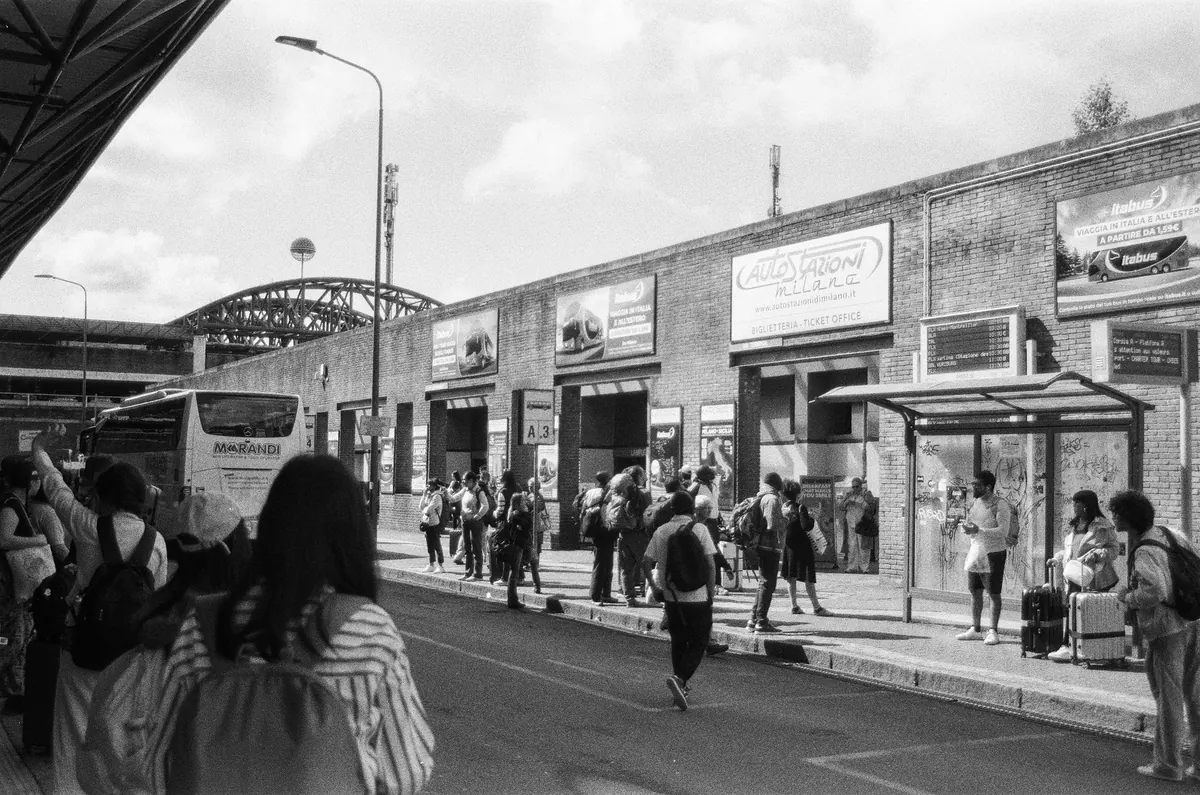
If you catch the bus in Suffolk, you already know the network has a habit of shifting under your feet. A service that has run the same way for a decade gets retimed, a fare that felt settled suddenly needs checking, and the only notice is a laminated sheet taped inside the shelter. The changes arriving in 2026 follow that pattern: no single dramatic overhaul, but three separate shifts — how single fares are capped, which routes survive in what shape, and who still travels free — landing in the same year. Here is what each one means when you are standing at a stop in the rain.
What a fare cap actually is
A fare cap is a ceiling, not a discount. It sets a maximum price for a single journey, backed nationally and part-funded so operators are not left carrying the whole cost. If your journey would otherwise cost more than the cap, you pay the cap. If it costs less, you pay the lower fare — the cap does not push prices up to meet it.
The number itself is reviewed periodically, so the useful habit is to check the current figure on your operator's website or at the travel shop before you assume anything. What rarely changes is the mechanism, and that is where most confusion lives.
What the cap does not cover
This is the part that catches people out. A capped single is just that — one journey, one direction, one ticket.
- Returns and day tickets. These are set commercially by the operator. A day ticket may still be better value, but it is not automatically capped.
- Season tickets. Weekly and monthly passes sit outside the cap entirely.
- Some services. School contracts, certain long-distance or coach-style routes and some evening journeys can be excluded. If in doubt, ask before you board.
- Discounts stacking. A capped fare plus a railcard-style discount plus a group rate is not how it works. You get one, and it is usually the best single one.
Practical rule: if you are charged more than the published cap for a straightforward single, ask the driver or the operator why. Sometimes there is a genuine reason. Sometimes it is a ticketing error, and it gets fixed.
Route changes: read them properly before you panic
"Route withdrawn" and "route changed" get used interchangeably in local conversation, and they mean very different things for your week.
- Withdrawn — the service stops running. You need an alternative.
- Reduced frequency — still running, but fewer journeys, often at the edges of the day.
- Rerouted — same operator, different streets. Your nearest stop may move.
- Retimed — same route, new clock. This is the most common change and the one most likely to break a connection.
When a network review lands, check the first and last journeys of the day first. Middle-of-the-day services are rarely the ones under pressure; the early commuter run and the last bus home are. Those two tell you more about whether the change affects you than anything in the middle of the timetable.
Notice usually appears in the same handful of places: the operator's website, Suffolk County Council's public transport pages, your parish council noticeboard, and the stop itself. The council pages are the most reliable for the legal position; the operator's site is the most reliable for what is actually running next Monday.
Concessions: who travels free, and the small print
Eligible older and disabled residents travel free on local buses in England under the national concessionary scheme, with passes issued through the county council. Free travel normally applies off-peak, which in practice means from mid-morning on weekdays and all day at weekends and on bank holidays. Peak-hour travel is usually charged, though some operators offer a discounted flat fare for pass holders — worth asking about if you regularly travel before the off-peak window starts.
Things that trip people up
- An out-of-date address. If you have moved within Suffolk and not updated your pass, replace it. A pass that does not match your details can be refused.
- Lending it. Passes are for the named holder only. This is not a grey area.
- Companion travel. Some disabled pass holders qualify for a companion to travel free with them. The conditions are specific, so confirm your own entitlement with the council rather than assuming.
- Eligibility criteria. These are set out in national rules and assessed locally. If you think you qualify and have been turned down, ask for the decision to be reviewed properly.
Concession rules are the sort of thing where a five-minute phone call to the county council beats an hour of reading a Facebook thread. If you rely on concessionary travel for medical appointments or because money is tight, your council's customer services team or a local advice service can help you work through what you are entitled to. Nothing here is financial advice.
If your route changes, do these five things
- Establish which of the four changes above applies. The response is different for each.
- Map your alternatives: another operator on the same corridor, a different stop, a rail link, or community transport such as a dial-a-ride or demand-responsive service.
- Ask your parish council. Some parishes part-fund services, and they can only do that if they know residents depend on them.
- Check whether tickets will transfer across a connection. An operator-specific day ticket bought on the first leg may not cover the second.
- Put your case in writing to the county council's transport team. Consultations are where changes can still be shaped; once a service is registered and running, the leverage largely disappears.
Before your next journey
Check the timetable a week ahead rather than on the morning, and save a screenshot — signal at rural stops is not guaranteed. Ask at the travel shop or of the driver whether a day ticket beats two capped singles for your trip; the answer depends entirely on how many journeys you make. Keep your pass current, and if you are budgeting around a weekly or monthly ticket, redo the maths once a year instead of assuming last year's answer still holds.
Suffolk's buses are a patchwork of commercial routes, council-supported services and community schemes, and they respond to pressure from the people who use them. Knowing which change applies to you, and who to tell about it, is most of the battle.
Photo: Ben Spadinger / Pexels