There is a test I do on any Suffolk high street, and it takes about ninety seconds. I walk from the market place to the far end and count the places where someone carrying two bags, pushing a buggy, or leaning on a stick could sit down without buying anything. In Ipswich, in Lowestoft, in Sudbury, that number keeps falling. Meanwhile the number of vape shops, phone repair kiosks and shops selling everything at a pound has gone the other way.
The two trends are not unrelated. A high street is not a shopping list. It is a room, and rooms need furniture.
What we quietly removed
Nobody held a vote on this. It happened bench by bench, year by year. A seat was taken out because a few people were drinking on it. Then a row of benches went because the arms made them awkward to sit on with a bag, and the arms never came back. A public toilet closed, and the nearest alternative became a supermarket where you feel obliged to buy something to use the facilities.
Look closely at what replaced them. Planters with a lip too narrow to perch on. Railings, bollards and slope-sided stone blocks that are technically public furniture but cannot be used by anyone. You will find this in market squares and outside shopping parades across the county. It is not a conspiracy. It is a hundred small decisions, each defensible on its own, adding up to a street where the only place to rest is a cafe you have to pay to enter.
A bench is infrastructure, not decoration
Think about who uses a bench and why. A woman in her eighties who can manage one length of the high street but not two. A man recovering from a chest infection who needs to stop halfway. A parent with a toddler who has decided, at the worst possible moment, that walking is over. A shop worker on a fifteen-minute break with nowhere to eat a sandwich. Teenagers, who have as much right to public space as anybody and far fewer places to go.
Remove the seating and all of those people shorten their trips, or stop making them. That is not just a social loss. It is a commercial one. People who stay longer tend to spend more, and people who cannot sit down at all go home early, or order online instead. A town that is comfortable for the slowest person in it is comfortable for everyone.
Why the vape shops keep arriving
I have no objection to a shop selling what people legally want to buy. The problem is the pattern. Vape shops appear because the unit is small, the fit-out is cheap, the stock turns over quickly and the lease can be short. Landlords, facing rates on an empty property and a market with few takers, would rather have a tenant than a void. Planning rules now let many shop units change between retail, food and office uses without a fresh application, so the landlord's easiest answer is often the same answer as last time.
None of that makes a town centre work. A row of near-identical shops that take a few square feet each and employ one person does not create the reason to visit that a proper anchor does — a market, a library, a decent-sized store, a place to eat that stays open past six.
And a plain word for anyone trying to stop smoking: the route that actually works is a conversation with your GP or your local stop-smoking service, not a shop window. Ask a professional rather than a signboard.
The twenty-minute town test
If you want to judge a town centre honestly, walk it as a visitor would and ask these questions.
- Can I sit down at least three times between the car park and the far end of the main street?
- Is there a toilet open to the public, and is it open when the shops are?
- Is there somewhere to shelter from rain without entering a shop and feeling watched?
- Could a wheelchair or a buggy get past the pavement seating, bins and A-boards without going into the road?
- Is there a reason to come here that I cannot get from a website — a market, a garden, a hall, an event?
- Do I feel welcome standing still, or does everything about the place tell me to keep moving?
Most of our centres pass the last one. They fail the first two.
What actually works
None of this needs a grand scheme. It needs someone to own the small stuff, which is usually the town or parish council, sometimes the district, sometimes a business improvement group or a civic society willing to make the case.
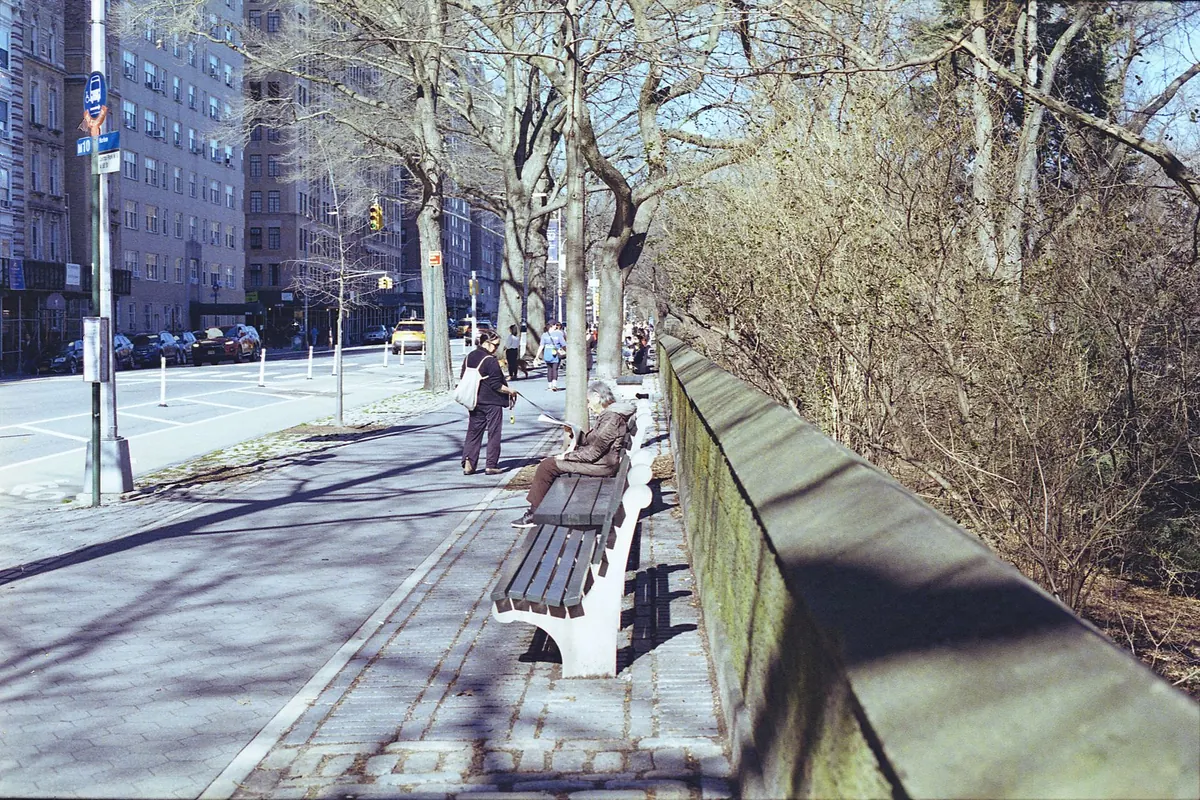
Start with seats. Plain, sturdy benches, bolted down, with backs and arms, sited where people already pause: outside the market, near the bus stop, at the top of the street where the hill starts. Add a few movable chairs and tables where they can be supervised, and let a cafe or pub take responsibility for them if the rules allow.
Then toilets. Costly to run, easy to cut, and impossible to replace with good intentions. Where a full building is too much, there are shared arrangements: the council paying a pub, library or community hall to open its facilities to the public during the day, with a clear sign. That is cheaper than reopening a block, and it keeps dignity intact for the people who need it most.
Then the third thing, which is harder to name: places that belong to everyone. The library that stays open late. The church that keeps its doors unlocked and puts out chairs. The bowling green, the allotment gate, the market stall where the traders know your name. These are the reasons people arrive without a shopping list.
The objections worth answering
It costs money. It does, and less than most people assume. A bench is not a bridge. The running cost of a toilet is real, but it is a service, not a luxury, and a district can share it across several towns.
It attracts the wrong crowd. Sometimes. Seats in a dark corner attract trouble; seats in a busy, overlooked spot rarely do. Put them where people walk, keep them tidy, and treat mess and noise as a management problem rather than a reason to remove the furniture.
Traders want shoppers, not loiterers. Fair, up to a point. But a street where nobody lingers is a street that feels closed, and closed streets lose the afternoon trade first.
What you can do this month
You do not need a position on a committee. Walk your own high street with a notebook and note every missing bench, every shut toilet, every planter you could not sit on. Send it to your town or parish council and your district councillor, with a photograph and a suggested spot. Ask the pubs and cafes whether they would take part in a shared toilet scheme. Turn up to a consultation and say the unfashionable thing out loud: that a place to sit matters more than another shopfront.
Every town in Suffolk has one street that still feels alive. It is almost never the one with the most shops. It is the one where you can stop.
Photo: Garrison Gao / Pexels